
This morning I will be in Dubai C part of the panel “The Front Door to Healthcare – Primary Care Delivery in an Insurance Led System”. Join me at 9 am, Healthcare World have a great line-up. I loved the Public Health conference at Arab Health Exhibition yesterday. My “Data Aggregation for Population Health Insights” talk took an unusual approach to aggregation. To me, the real population health insights will come from citizen-contributed data. This will be much more important in quantity and quality than physician-contributed data.
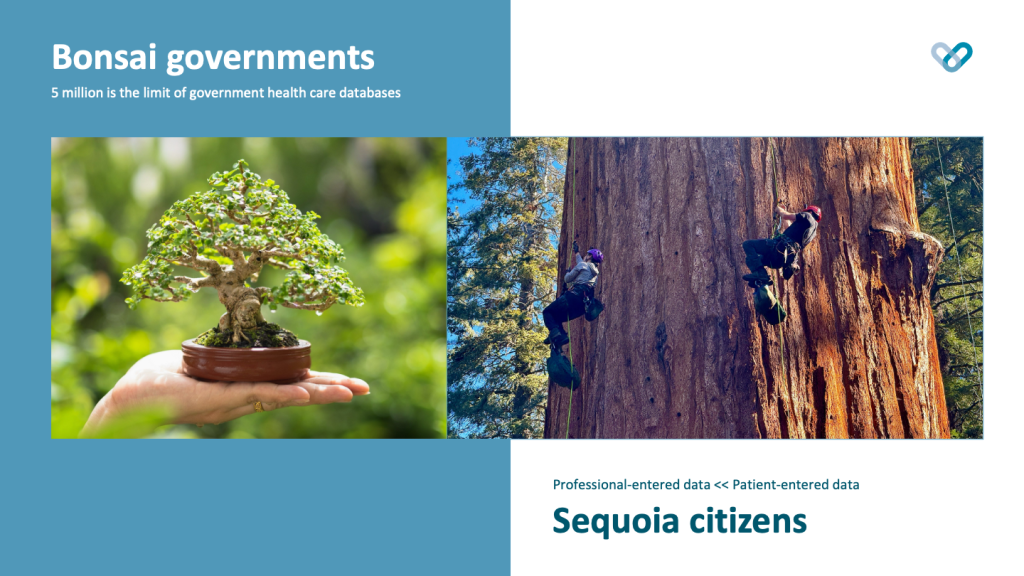
This is even more important as governments have a natural limit on the number of people’s records they can maintain in a single database. Of the 16 countries we researched in our book “Personal Health Records for Governments”, databases covered a maximum of 5 million people. Saudi Arabia was the one exception at 30+ million. But private citizens in their hundreds of million can and do choose to aggregate their data with consumer-facing companies.
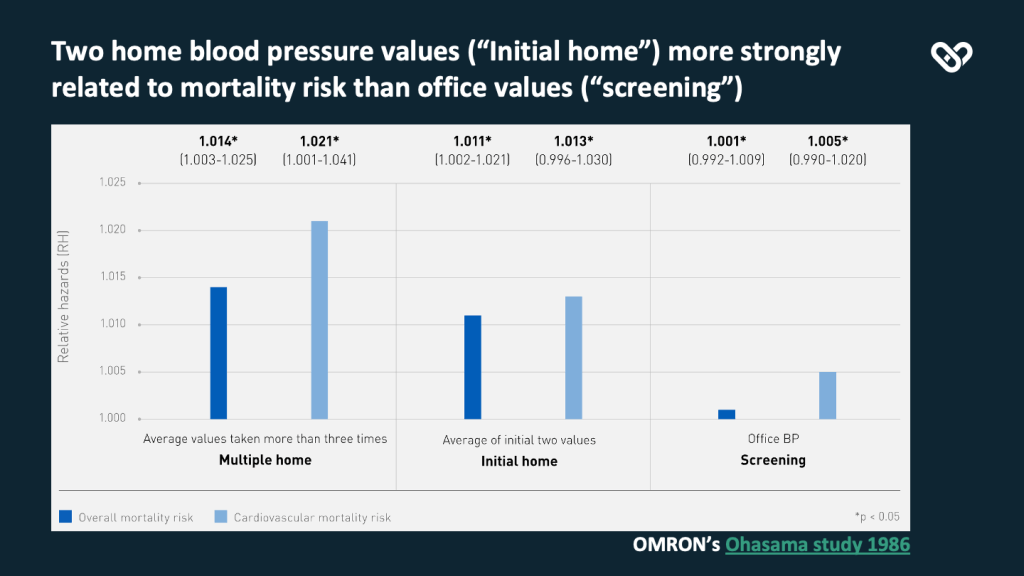
The quality of this large data set is also rising massively. In the 1980s, OMRON Group surprised everyone by proving that patients measuring blood pressure at home were more accurate than doctors measuring in the office . A doctor’s measurement causes stress to the patient so is an inaccurately high. But the number of measurements also increases the quality of the measurement. Patients can take multiple, frequent measurements at home that no doctor has time for. So it will be with the device revolution in the market today and tomorrow.
It was such a privilege to speak alongside the rest of the line-up. Dr Ahmad Abou Tayoun, PhD, FACMG ’s talk “Genomics for Public Health” explained how pre-marital screening for just 500 genes avoids most of the costs of genetic diseases. Dr Kadhim Alabady MBBS, MPH, MSc, DrPH, FRCP (Glasgow) from Dubai Health Authority gave the best speech from a regulator I have heard for a long time. “It can’t be innovation if it comes from the regulator. The innovator has to push the boundary of the regulation and the regulator has to react, assessing the new development.” Dubai’s regulators are ready to cooperate and co-invest with innovators. Datuk Dr Kuljit Singh’s talk “Personalised Health: Private Hospital View & Concept” explained how Malaysia tries to allow private-sector innovation with public sector cost-control to maximise affordability and access. Joanne Sadier, PhD kept us all to time, even as she clearly was enjoying the conversation and wanted to hear more.
Finally, it was a joy to see Dr Ian Gargan in action. He is CEO of Private Healthcare Information Network (PHIN) whose board I joined last year. Do come by the PHIN stand in Hall 2 to meet the team.
Discover more from CEO blog at Patients know best
Subscribe to get the latest posts sent to your email.
 CEO blog at Patients know best